We The Sheeple

Monday, June 5, 2023

Doctors say this is the most important virus you’ve never heard of

 

Doctors say this is the most important virus you’ve never heard of

By Brenda Goodman, CNN
Updated 7:52 PM EDT, Mon May 29, 2023
Ezekiel Emanuel headshot
Leading US doctor says he won't get treatment if he gets cancer after 75
01:35
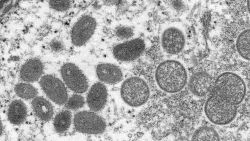
An electron microscopic (EM) image shows mature, oval-shaped monkeypox virus particles as well as crescents and spherical particles of immature virions, obtained from a clinical human skin sample associated with the 2003 prairie dog outbreak in this undated image obtained by Reuters on May 18, 2022. Cynthia S. Goldsmith, Russell Regnery/CDC/Handout via REUTERS THIS IMAGE HAS BEEN SUPPLIED BY A THIRD PARTY.
What is mpox? Dr. Gupta explains how this rare virus spreads
02:54
gupta nfl
CNN gets rare inside look at NFL protocol that saved Damar Hamlin's life
05:56
Equipment in a doctors office
These are the symptoms of HMPV to look out for
02:07
Baby Denver
Baby in utero undergoes groundbreaking surgery
03:11
A woman blows her nose in Godewaersvelde, northern France on May 18, 2013, as the return of pleasant weather marks the arrival of allergenic pollen. AFP PHOTO / PHILIPPE HUGUEN (Photo by Philippe HUGUEN / AFP) (Photo by PHILIPPE HUGUEN/AFP via Getty Images)
If you have allergies, you may want to avoid this type of medication
02:18
Dr. Leana Wen vpx
Doctor explains new over-the-counter medicine that's a 'complete antidote to opioids'
01:59
bonner health campus hospital vpx
Maternity wards across the US are closing because of this issue
02:31
dementia prevantion tips playing an instrument
Nearly 40% of dementia cases can be prevented with one small health change
02:13
social dancing getty
This type of exercise might be better for your brain than biking or jogging
02:03
henry rare neurological disorder
Toddler suffers from disease that makes him 'human time bomb'
05:46
05 model covid wellness before after
Young model becomes double-amputee after Covid
02:32
how to stop snoring old fashioned
Sleep specialist has 4 tips to help stop snoring
01:43
thumb test dementia 5
Is it forgetfulness or dementia? This is how your doctor finds out
02:53
Teenage girl using a smartphone on a bed social media and addiction concept
Harvard psychiatrist says this is the secret to happiness
02:33
growth mindset frustrated face
This 95-second video will help you build a habit for good
01:35
Ezekiel Emanuel headshot
Leading US doctor says he won't get treatment if he gets cancer after 75
01:35
An electron microscopic (EM) image shows mature, oval-shaped monkeypox virus particles as well as crescents and spherical particles of immature virions, obtained from a clinical human skin sample associated with the 2003 prairie dog outbreak in this undated image obtained by Reuters on May 18, 2022. Cynthia S. Goldsmith, Russell Regnery/CDC/Handout via REUTERS THIS IMAGE HAS BEEN SUPPLIED BY A THIRD PARTY.
What is mpox? Dr. Gupta explains how this rare virus spreads
02:54
gupta nfl
CNN gets rare inside look at NFL protocol that saved Damar Hamlin's life
05:56
Equipment in a doctors office
These are the symptoms of HMPV to look out for
02:07
Baby Denver
Baby in utero undergoes groundbreaking surgery
03:11
A woman blows her nose in Godewaersvelde, northern France on May 18, 2013, as the return of pleasant weather marks the arrival of allergenic pollen. AFP PHOTO / PHILIPPE HUGUEN (Photo by Philippe HUGUEN / AFP) (Photo by PHILIPPE HUGUEN/AFP via Getty Images)
If you have allergies, you may want to avoid this type of medication
02:18
CNN  — 

The past winter was a heavy one for respiratory viruses, dominated by surges of RSV, influenza and Covid-19. But just as it was winding down, a little-known virus that causes many of the same symptoms – a lower lung infection, hacking cough, runny nose, sore throat and fever – was just picking up steam.

Cases of human metapneumovirus, or HMPV, spiked this spring, according to US Centers for Disease Control and Prevention’s respiratory virus surveillance systems. It filled hospital intensive care units with young children and seniors who are the most vulnerable to these infections. At its peak in mid-March, nearly 11% of tested specimens were positive for HMPV, a number that’s about 36% higher than the average, pre-pandemic seasonal peak of 7% test positivity.

Most people who caught it probably didn’t even know they had it, however. Sick people aren’t usually tested for it outside of a hospital or ER. Unlike Covid-19 and the flu, there’s no vaccine for HMPV or antiviral drugs to treat it. Instead, doctors care for seriously ill people by tending to their symptoms.

ADVERTISING

An underestimated threat

Studies show that HMPV causes as much misery in the US each year as the flu and a closely related virus, RSV. One study of patient samples collected over 25 years found that it was the second most common cause of respiratory infections in kids behind RSV. A study in New York conducted over four winters found that it was as common in hospitalized seniors as RSV and the flu. Like those infections, HMPV can lead to intensive care and fatal cases of pneumonia in older adults.

Diane Davison caught human metapneumovirus during a family celebration in early April. Two weeks later, she was coughing so violently, she couldn’t talk on the phone.
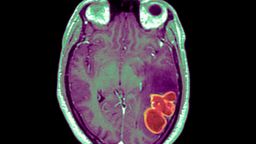
Last year, the number of brain abscesses in children in and around Las Vegas, Nevada, rose from the expected four or five to 17.

Doctors watching for more cases after mysterious cluster of brain infections strikes kids in southern Nevada

“I couldn’t get out more than a couple of words,” said Davison, 59, an entertainment lawyer in Baltimore. “I would go into violent, violent coughing to the point where I was literally almost throwing up.”

Her cough was so constant and deep, she was convinced she had finally caught the coronavirus after managing to avoid it throughout the pandemic. But she took six rapid tests for Covid-19, and all came back negative.

Davison is immunocompromised, so she has been cautious throughout the pandemic. Concerned about pneumonia, she got a X-ray from a radiology clinic near her home and was told it was clear.

Her doctor wasn’t satisfied, however, and sent her to an emergency room for more testing. Blood tests determined that she had HMPV.

“I was like, ‘what?’ Because it sounds really dire,” Davison said. “I’ve never heard of it.”

Human metapneumovirus was discovered by Dutch virus hunters in 2001. They had 28 samples from children in the Netherlands with unexplained respiratory infections. Some of the children had been very ill and required mechanical ventilation, but they didn’t test positive for any known pathogens.

The researchers cultured the samples in various types of cells from monkeys, chickens and dogs, and then they looked at the cultures under an electron microscope. They saw something that seemed structurally related to the paramyxoviridae family, a group of viruses known to give people respiratory disease like measles, mumps and respiratory syncytial virus, or RSV.

A closer look at the virus’ genes showed a close relative: avian metapneumovirus, which infects birds. The new virus was dubbed human metapneumovirus. Scientists believe it probably jumped from birds to humans at some point and evolved from there.

When the researchers tested blood samples from 72 patients that had been stored since 1958, all showed evidence of exposure to the mystery virus, indicating that it had been circulating in humans, undetected, for at least the previous half-century.

Doctors and patients in the dark

Respiratory infections are the leading cause of death for children around the world and the No. 1 reason kids are hospitalized in the United States, but scientists don’t know what causes a good chunk of them, says Dr. John Williams, a pediatrician at the University of Pittsburgh who has spent his career researching vaccines and treatments for HMPV.

Williams says there were sweeping epidemiological studies conducted in the 1950s and ’60s, looking into the causes of respiratory infections.

“Basically, they could only identify a virus in people about half the time. And so the question was, ‘OK, what about that other half?’ ” he said. Human metapneumovirus doesn’t account for all the unknown viruses, but it’s a significant proportion – about as many cases as RSV or influenza.

But no one knows about it. Williams calls it “the most important virus you’ve never heard of.”

“Those are the three major viruses,” he said. “Those are the big three in kids and adults, the most likely to put people in the hospital and cause severe disease, most likely to sweep through nursing homes and make older people really sick and even kill them.”

Because testing for HMPV is rarely done outside hospitals, it’s hard to know the true burden of the disease.

Blood tests indicate that most children have had it by the age of 5.

A 2020 study in the Lancet Global Health estimated that among children younger than 5, there were more than 14 million HMPV infections in 2018, more than 600,000 hospitalizations and more than 16,000 deaths.

Get CNN Health's weekly newsletter

Sign up here to get The Results Are In with Dr. Sanjay Gupta every Tuesday from the CNN Health team.

The infection generates weak or incomplete immune protection, however, and humans get reinfected throughout their lives.

Companies are working on vaccines against it. Covid-19 vaccine maker Moderna just finished an early study of an mRNA vaccine against HMPV and parainfluenza, according to the website clinicaltrials.gov.

The CDC recommends that doctors consider testing for HMPV in the winter and spring, when it tends to peak.

Doctors don’t test for it mostly because of a lack of awareness of the virus, Williams said, but also because a test probably wouldn’t change the care they would give a patient. It would help them rule out other causes that do have dedicated treatments, like Covid or the flu.

Davison said HMPV gave her a serious bout of bronchitis. She was admitted to the hospital briefly for observation. She eventually got better, but she was sick for a month.

She’s had respiratory infections before, of course, but she’s particularly glad to be on the other side of human metapneumovirus, she said – “This was really kind of the worst I’d ever experienced.”

Posted by Zoeylizabeth at 9:55 AM No comments:
Email ThisBlogThis!Share to XShare to FacebookShare to Pinterest

Sunday, April 10, 2022

Taking forest access away from the public in the name of sustainable development


Washington state has launched a new program to save 10,000 acres of forest land as a carbon reserve.

National Forest entrance sign
© Provided by KIRO SeattleNational Forest entrance sign

The Seattle Times reports the state intends to lease the trees as carbon credits to emitters of greenhouse gases that cause global warming. The DNR is partnering with Finite Carbon, a developer and supplier of carbon offsets, which will verify the effectiveness of the offsets.

Purchasers are expected to be larger corporations seeking to achieve reductions in their carbon emissions, said Commissioner of Public Lands Hilary Franz, adding that in the first 10 years of the program, the DNR hopes to sell 900,000 credits reducing carbon emissions to the atmosphere by the equivalent of 2 billion vehicle miles traveled.

Money from the leases in these forests will compensate beneficiaries of state trust lands, including the state school construction fund, and money for hospital districts, library districts and more.

Sequestering carbon dioxide, a heat-trapping gas, in trees which use it as food to grow, helps blunt the worst effects of climate change. Globally, forests absorb about a third of all the carbon emissions annually from the burning of fossil fuels.

“I have a big belief that with climate change here, we need to save our forests to truly save ourselves,” Franz said.

The DNR has come under increasing criticism for harvesting such trees, which are not protected under its old-growth policy but nonetheless have high ecological value.

A total of 3,750 acres is being set aside now, with the balance yet to be identified for preservation in phase two.

The program in Washington is launching with protection of forests in Whatcom, Thurston, King and Grays Harbor counties.

DNR trust lands generate about $180 million a year for schools and counties across the state.

Franz predicted the carbon leases would generate tens of millions of dollars for schools, colleges and local services that state trust lands support.

Peter Goldman, director and managing attorney of the nonprofit Washington Forest Law Center, called the reserve “green lipstick on a pig” because it sets some state lands aside for conservation while other state legacy forests are still being cut down.

“It’s great, who could be against it,” he said of the reserve. “But is she just trying to pour cold water on the political heat she is taking on these sales?”

In addition to the 840,000 acres of DNR-managed trust land designated for conservation, the 10,000-acre carbon reserve adds a bit more acreage off-limits to harvest, about 0.5% of the state’s forested trust lands. But as climate change threatens the planet, these trees are more valuable living than as lumber, Franz said.

Sequestering carbon dioxide, a heat-trapping gas, in trees which use it as food to grow, helps blunt the worst effects of climate change. Globally, forests absorb about a third of all the carbon emissions annually from the burning of fossil fuels.

“I have a big belief that with climate change here, we need to save our forests to truly save ourselves,” Franz said.

The DNR has come under increasing criticism for harvesting such trees, which are not protected under its old-growth policy but nonetheless have high ecological value.

A total of 3,750 acres is being set aside now, with the balance yet to be identified for preservation in phase two.

The program in Washington is launching with protection of forests in Whatcom, Thurston, King and Grays Harbor counties.

DNR trust lands generate about $180 million a year for schools and counties across the state.

Franz predicted the carbon leases would generate tens of millions of dollars for schools, colleges and local services that state trust lands support.

Peter Goldman, director and managing attorney of the nonprofit Washington Forest Law Center, called the reserve “green lipstick on a pig” because it sets some state lands aside for conservation while other state legacy forests are still being cut down.

“It’s great, who could be against it,” he said of the reserve. “But is she just trying to pour cold water on the political heat she is taking on these sales?”

Posted by Zoeylizabeth at 2:17 PM No comments:
Email ThisBlogThis!Share to XShare to FacebookShare to Pinterest
Labels: agenda 21, carbon reserve, development, DNR, forest, Global Warming., sustainable, Washington State
Newer Posts Older Posts Home
Subscribe to: Posts (Atom)

Another Brick in the Wall..

Zoeylizabeth
Im sorry I slapped you, but i didn't know if you would ever stop talking and I panicked. The only thing necessary for evil to exist is for good people to do nothing. Id rather be hated for who I am than loved for who I'm not
View my complete profile

Blog Archive

  • ▼  2024 (2)
    • ▼  April (2)
      • Study finds significant increase in cancer mortali...
      • adrenocrome
  • ►  2023 (12)
    • ►  August (2)
    • ►  June (10)
  • ►  2022 (7)
    • ►  April (1)
    • ►  March (3)
    • ►  February (3)
  • ►  2021 (19)
    • ►  September (3)
    • ►  August (11)
    • ►  July (1)
    • ►  May (1)
    • ►  January (3)
  • ►  2020 (3)
    • ►  July (1)
    • ►  April (1)
    • ►  March (1)
  • ►  2019 (4)
    • ►  September (4)
  • ►  2018 (7)
    • ►  December (2)
    • ►  January (5)
  • ►  2017 (14)
    • ►  December (1)
    • ►  September (1)
    • ►  August (2)
    • ►  May (1)
    • ►  March (3)
    • ►  February (5)
    • ►  January (1)
  • ►  2016 (26)
    • ►  December (2)
    • ►  November (5)
    • ►  October (1)
    • ►  August (1)
    • ►  June (1)
    • ►  May (3)
    • ►  April (2)
    • ►  March (6)
    • ►  February (3)
    • ►  January (2)
  • ►  2015 (12)
    • ►  August (2)
    • ►  July (3)
    • ►  June (2)
    • ►  May (5)
  • ►  2014 (2)
    • ►  November (1)
    • ►  July (1)
  • ►  2012 (25)
    • ►  December (1)
    • ►  November (3)
    • ►  October (9)
    • ►  September (6)
    • ►  August (1)
    • ►  May (1)
    • ►  March (2)
    • ►  February (2)
Awesome Inc. theme. Theme images by fpm. Powered by Blogger.